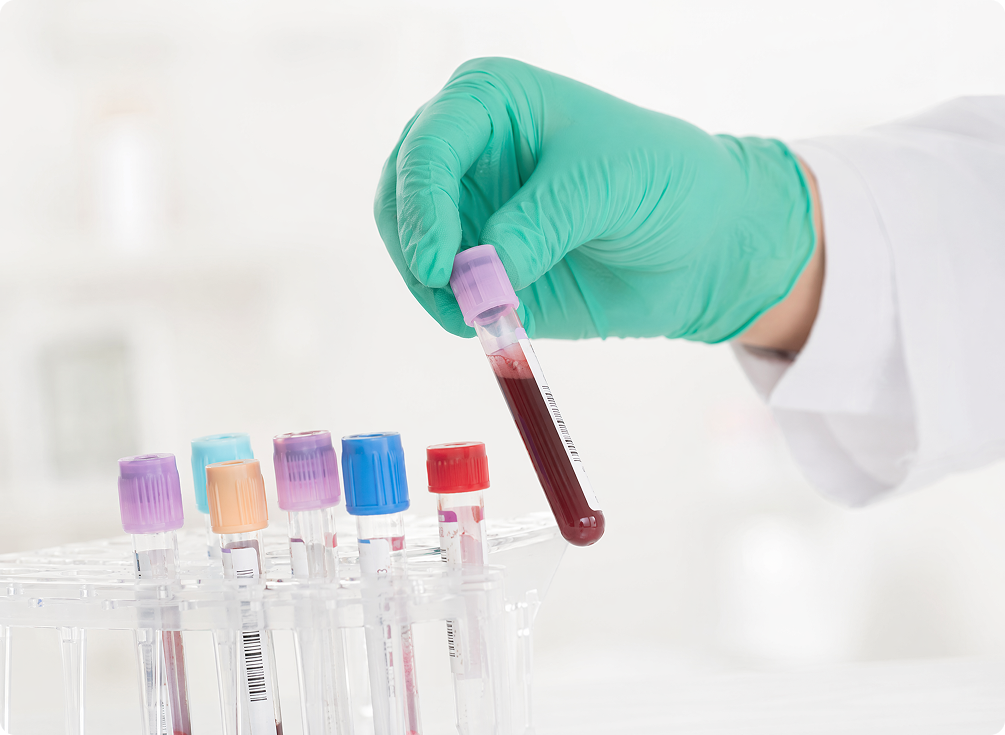


The results of a biochemical blood test provide insight into lipid, protein, and carbohydrate metabolism, as well as reflect the levels of essential micronutrients required for a healthy lifestyle. At Dobro Clinic, you can get a biochemical blood tesin comfortable conditions and receive your results without delay.
Parameters included in the panel
At Dobro Clinic, a standard biochemical blood panel includes a full blood count with differential, as well as assessment of the following parameters:
- urea and uric acid;
- total protein and C-reactive protein;
- phosphorus and calcium;
- total cholesterol;
- total bilirubin and albumin;
- ALT, AST, and GGT;
- creatinine;
- triglycerides;
- plasma glucose;
- alkaline phosphatase.
When ordering a biochemical blood test, the specific parameters for which a patient is tested are determined by the specialist, based on their concerns and medical history. Core indicators for diagnosing systemic conditions typically include protein markers and bilirubin, glucose, urea, creatinine, and liver enzymes.
How to prepare for a biochemical blood test
To ensure accurate results, patients should follow these tips:
- Avoid food for 8–12 hours before venous blood sampling.
- Drink only small amounts of still water before the test.
- Avoid alcohol for 1–2 days and refrain from smoking for 30–60 minutes prior to the test.
- Minimise stress.
- Limit physical activity the day before and on the day of the test.
- Consult your doctor in advance regarding any medications you are taking.
Indications and contraindications
There are no absolute contraindications to this category of testing; however, in certain situations it may need to be postponed or carried out with caution.
Indications
- poisoning and intoxication;
- obesity and metabolic syndrome;
- myocardial infarction or stroke;
- cirrhosis and hepatitis;
- kidney dysfunction;
- chronic diseases of internal organs;
- preventive screening;
- preparation for surgical procedures;
- monitoring treatment effectiveness.
Contraindications
The test should be postponed in the following cases:
- poor general condition requiring urgent medical care;
- significant swelling of the upper limbs;
- recent injuries to the arms at the blood collection site;
- inability to control patient movement;
- severe haemostasis disorders.