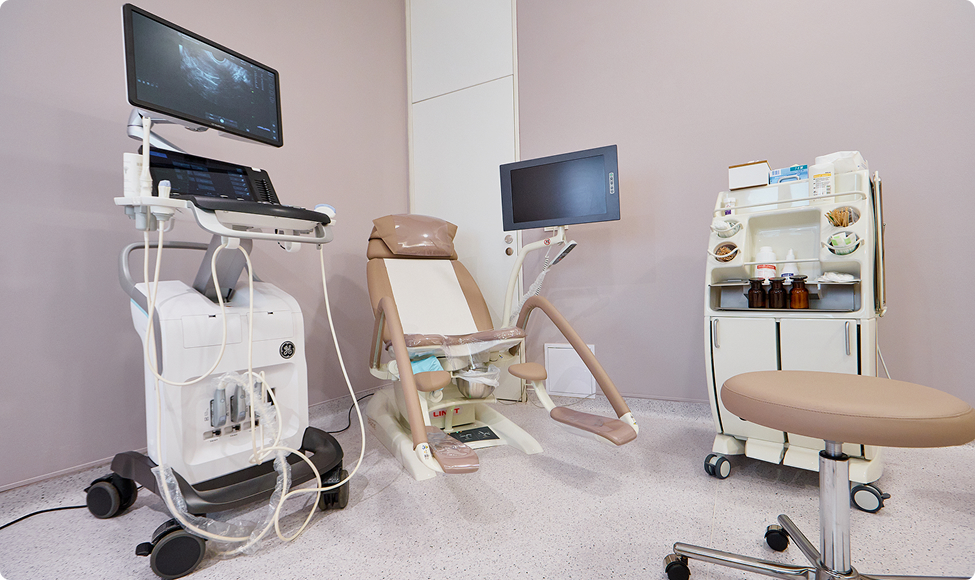
Ultrasound is one of the most widely used diagnostic methods in modern medicine. If you would like to have an abdominal ultrasound in the Czech Republic and obtain a fast and accurate assessment of your health, visit us at Dobro Clinic — a multidisciplinary medical centre.
How is an abdominal ultrasound performed at the clinic?
The examination is carried out on an outpatient basis and takes approximately 15–20 minutes. It is a completely painless and safe procedure.
Procedure steps:
- brief medical history and symptom review;
- application of gel and scanning with a probe;
- image analysis;
- preparation of the medical report.
Preparation for the examination
Proper preparation helps avoid image distortion and improves diagnostic accuracy. This is particularly important for abdominal examinations.
Patients are advised to:
- avoid gas-forming foods for 2–3 days prior to the procedure;
- refrain from eating for 6–8 hours before the ultrasound;
- take medication to reduce bloating if necessary.
What can an abdominal ultrasound detect?
Ultrasound allows detection of a wide range of conditions — from functional disorders to serious structural changes. It is a key method in primary diagnostics.
Capabilities of abdominal ultrasound include:
- detection of cysts, tumours, and inflammation;
- diagnosis of liver cirrhosis and fatty liver disease;
- assessment of the gallbladder and bile ducts;
- identification of signs of pancreatitis and splenomegaly.
Additional examinations after ultrasound
In some cases, ultrasound results may not be sufficient for a final diagnosis. The doctor may then recommend additional tests, such as CT, MRI, gastroscopy, or colonoscopy.
Indications and contraindications
Ultrasound is prescribed by a doctor for various symptoms and suspected conditions. The examination helps confirm or rule out a preliminary diagnosis, as well as monitor the course of a disease. Although ultrasound is considered a safe method, there are certain limitations. These are not related to technical restrictions, but rather to situations where the results may be less informative.
Indications
An abdominal ultrasound is recommended if you experience:
- abdominal pain or discomfort;
- suspected conditions affecting the liver, pancreas, or spleen;
- enlargement of the abdomen;
- digestive disturbances, nausea, or vomiting;
- monitoring of chronic conditions over time.
Contraindications
Temporary limitations include:
- open wounds or burns in the examination area;
- excessive gas formation that interferes with visualisation.