Hepatitis remains a significant medical concern due to its high prevalence and often asymptomatic course. This makes early diagnosis and timely treatment more difficult. Preventive vaccination is one of the key methods of protection against viral hepatitis.
What does protection against the virus actually entail?
Confusion between different types of hepatitis is common, but it is important to understand exactly what we are protecting ourselves from. Modern medicine offers reliable tools against the most dangerous forms of infection.
- Type A. Referred to as the “disease of unwashed hands”. Vaccination is especially important for frequent travellers and those who enjoy street food. With protection, you can explore new cuisines with confidence.
- Type B. This virus is transmitted through blood and biological fluids, which is why vaccination against hepatitis B is considered a basic necessity in the Czech Republic.
How does it work?
The vaccine introduces your immune system to a small and completely safe fragment of the virus. The body “trains” on it, so that in case of real exposure it can mount an effective defence.
Who needs protection most?
Doctors recommend vaccination for everyone, but in some cases it is particularly important. High-risk groups include:
- healthcare workers and anyone in contact with biological materials;
- travellers to regions with lower hygiene standards;
- children whose immune systems are still developing;
- people with chronic liver diseases.
How the procedure is performed
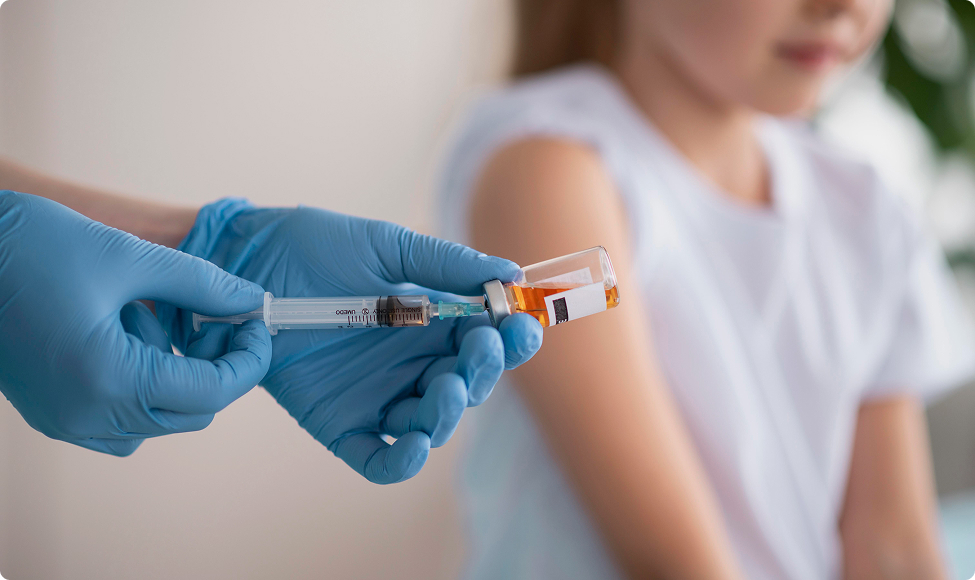
The procedure takes 15–30 minutes, while the injection itself takes only 1–2 minutes. First, the doctor evaluates the patient’s condition and confirms that vaccination can be performed. The injection is administered with a disposable syringe into the upper arm after antiseptic treatment. The patient is then observed for a short period. There are no major lifestyle restrictions after vaccination, but it is important to avoid irritation of the injection site.
How to prepare for the procedure
Vaccination is carried out after consultation with a general practitioner or paediatrician, depending on the patient’s age. It is important to inform the doctor about any allergies, chronic liver conditions, or other diseases. Before visiting the clinic, we recommend checking your temperature and ensuring there are no signs of acute illness.
How the body responds
There is no need to be concerned about side effects, as modern vaccines undergo multi-stage purification. The body may react, which simply indicates that the immune system has been activated. Usually, this is limited to mild redness at the injection site or slight drowsiness, which resolves within 1–2 days.
Why choose Dobro Clinic?
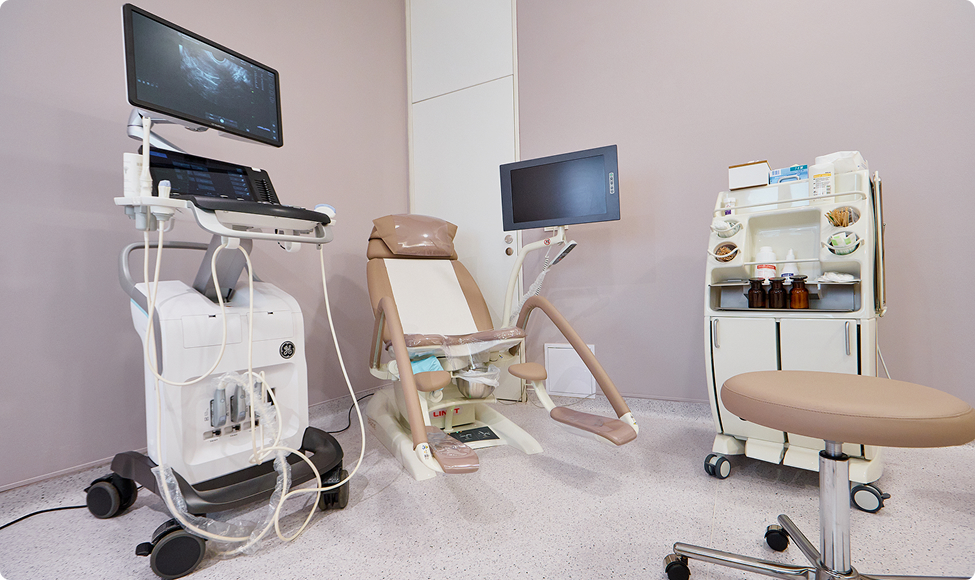
We make preventive care simple and comfortable, without unnecessary waiting. There is no language barrier — our doctors communicate clearly and attentively. After the procedure, you can relax in a comfortable setting while our specialists monitor your condition.
Indications and Contraindications
Indications
- newborns (especially if the mother is infected);
- children and adolescents who missed vaccination;
- lack of maternal immunisation;
- close contact with HBV-positive individuals;
- healthcare and laboratory work;
- frequent unprotected contact with multiple partners;
- chronic liver diseases;
- travel to high-risk regions.
Contraindications
- allergy to vaccine components;
- severe autoimmune reaction to previous dose;
- poor general condition requiring medical attention;
- fever or symptoms of acute infection.