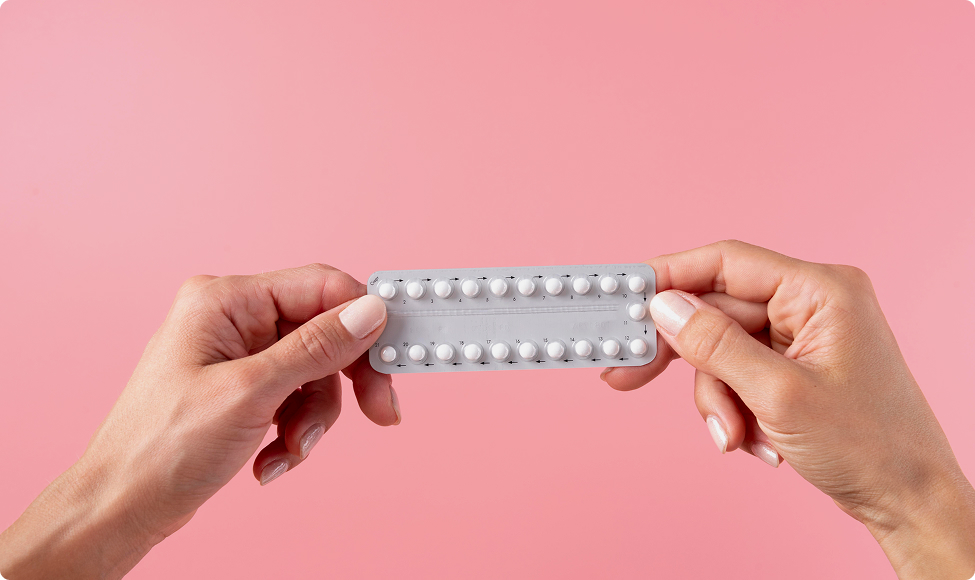
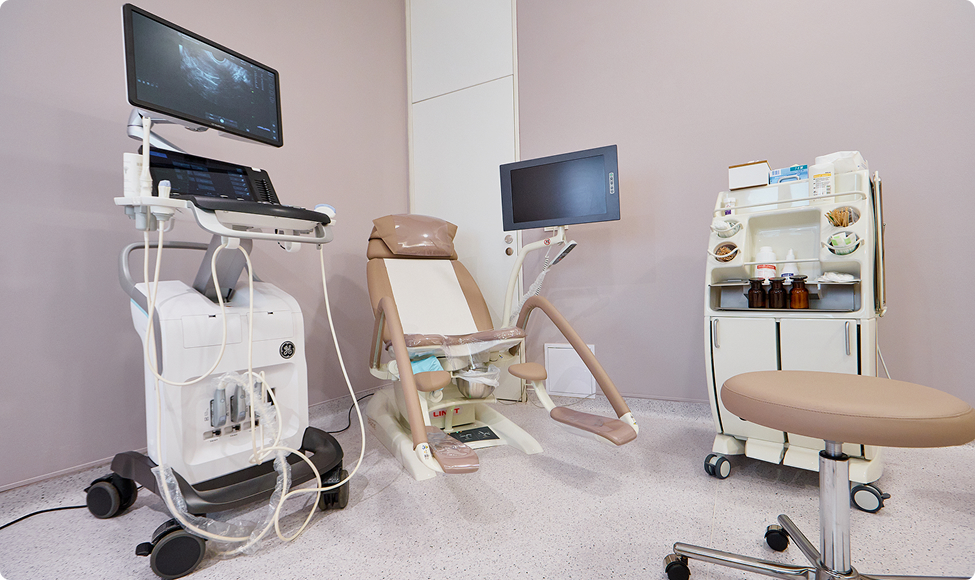
An intrauterine device (IUD) is an effective method of protection against unplanned pregnancy. This specialised medical device is placed into the uterine cavity and provides a dual mechanism of action — preventing ovulation and inhibiting sperm movement by increasing the viscosity of cervical mucus. At Dobro Clinic, IUD insertion is performed on an outpatient basis and without pain, with care provided by our qualified gynecologists. For each patient, the doctor selects the most suitable type of IUD, taking into account the desired duration of effect, individual characteristics, age, and other important factors.
Preparation and IUD Insertion
During the preparation stage, it is necessary to visit a gynecologist and undergo a comprehensive diagnostic assessment. An ultrasound examination of the pelvic organs is also performed. At Dobro Clinic, ultrasound diagnostics are carried out using the latest-generation LOGIQ™ E10 system. If there are no contraindications, the procedure can be scheduled between 4th and the 7th day of the menstrual cycle.
The IUD insertion procedure includes:
- antiseptic treatment of the external genital area;
- use of anaesthesia if the patient has increased sensitivity to pain;
- measurement of the uterine cavity depth;
- insertion of the device using a sterile single-use instrument from the kit;
- verification of correct IUD placement;
- provision of personalised recommendations for the recovery period
Recovery Period
During the first ten days after the procedure, it is important to follow certain recommendations:
- avoid swimming pools and open bodies of water;
- avoid saunas, steam baths, and hot baths;
- follow your gynecologist’s recommendations regarding intimate hygiene;
- refrain from using tampons and douching;
- avoid tanning beds and sunbathing;
- avoid heavy lifting;
- abstain from sexual activity.
Mild discomfort may occur on the first day after insertion; this usually subsides quickly, allowing you to return to your normal routine.
Indications and Contraindications
Indications
IUD insertion is suitable for women who:
- do not plan to have children within the next 5–8 years;
- have contraindications to other methods of contraception;
- are concerned about forgetting to take oral contraceptives on a daily basis;
- have had negative experiences with oral contraceptives;
- wish to prevent a repeat pregnancy after recent childbirth.
Contraindications
This method of contraception is not recommended in the following cases:
- presence of large uterine fibroids that prevent correct IUD placement;
- cervical ectopia, erosion, or dysplasia;
- suspected or confirmed intrauterine pregnancy;
- congenital abnormalities of the internal reproductive organs;
- acute inflammatory conditions;
- suspected oncological conditions;
- bleeding of unknown origin;
- heavy menstrual bleeding;
- allergic reaction to IUD components;
- sexually transmitted infections (IUD insertion is possible after completion of treatment).