Many women live for years without even suspecting the presence of a “silent guest” in their body. The human papillomavirus is a master of disguise: it causes no pain or discomfort, yet gradually alters the cells of the cervix. Regular HPV screening offers a real chance to detect the problem before it develops into a serious threat.
What is HPV?
HPV is not a single virus, but a whole “family” of more than 200 types. Most are harmless and temporary, clearing on their own. However, some high-risk types can lead to cancer. Over time, they silently affect the mucosa and alter its structure. The virus is transmitted through close skin-to-skin contact or sexually.
What happens during the appointment
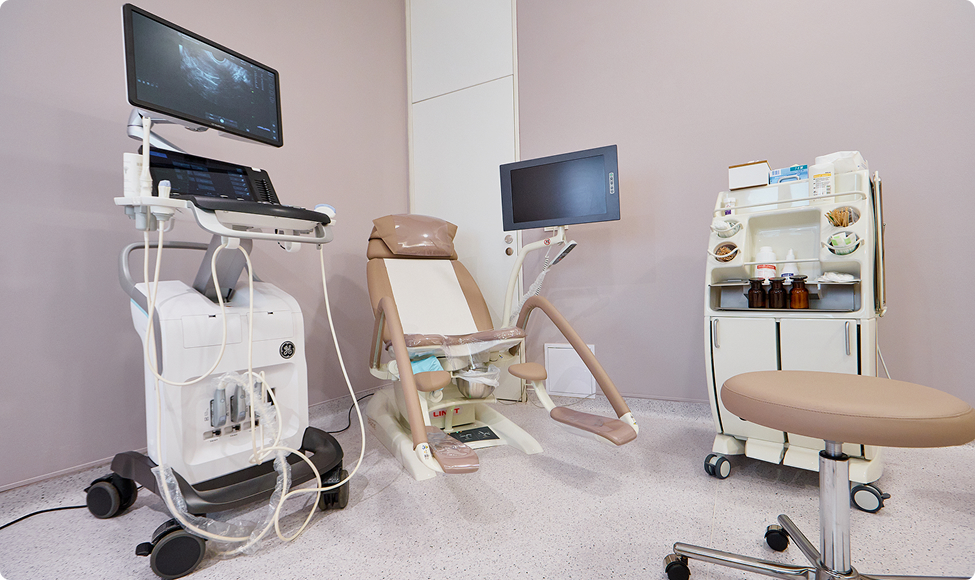
Sample collection at Dobro Clinic is carried out with utmost care. During the examination, the doctor uses a small, soft brush to collect cells from the surface of the cervix. The process takes just a few seconds. You may feel a slight touch, but there is no pain. The sample is then sent to a laboratory for detailed analysis.
Indications and Contraindications
Indications
- Routine annual screening for women aged 25–30 and over to assess individual risk factors.
- Follow-up after an unclear or borderline Pap test result to clarify the cause of cellular changes.
- At the stage of pregnancy planning to rule out active viral infection.
- Monitoring the effectiveness of dysplasia treatment to confirm absence of the virus.
Contraindications
- Menstruation (blood in the sample may affect the accuracy of results).
- Acute inflammatory conditions or genital tract infections (due to the risk of unreliable results caused by mucosal irritation).