

Hematology: Anemia as the Most Common Reason for Visiting a Hematologist
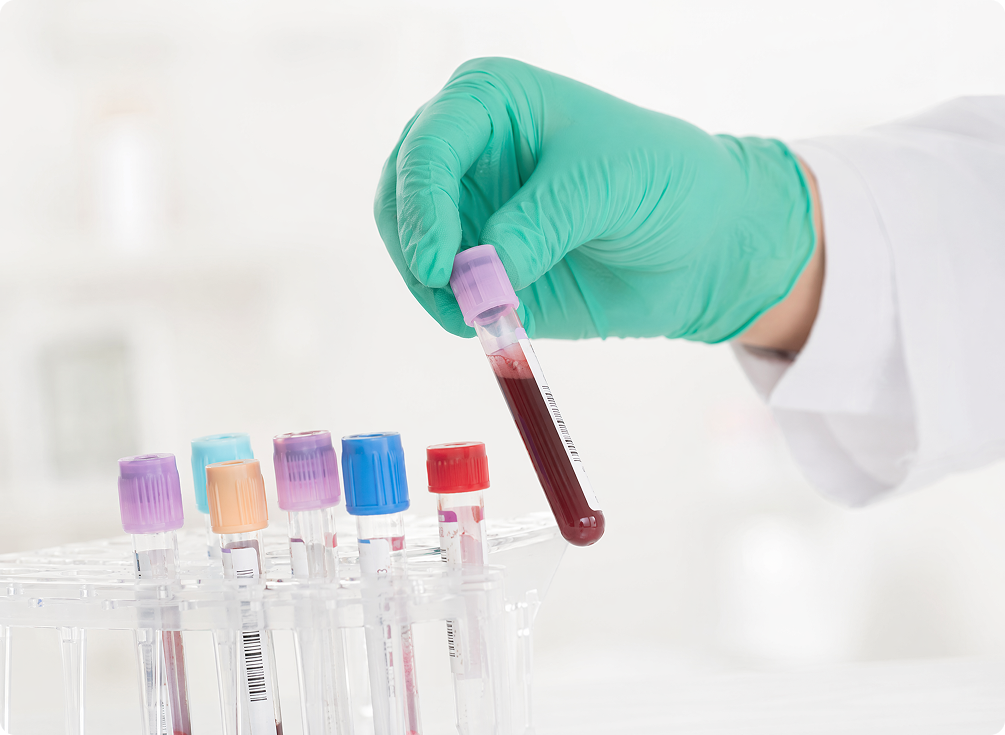
In medicine, there is a specialised field dedicated to the study of blood, bone marrow, and the lymphatic system — this field is called hematology. Doctors who specialise in it and deal with the diagnosis and treatment of blood disorders, including anemias, leukemias, clotting disorders, and other hematological conditions, are known as hematologists. A consultation with such a specialist may be recommended in cases of persistent fatigue, frequent dizziness, as well as when blood test results indicate abnormalities in blood composition.
Anemia: what it is and how common it is
Let us begin with what anemia actually is. In medical practice, this term refers to a condition in which the level of hemoglobin in the blood is reduced. Hemoglobin is the protein found in red blood cells that is responsible for carrying oxygen. When its level falls, the supply of oxygen to tissues is impaired, leading to tiredness and other unpleasant symptoms. Anemia is considered one of the most common reasons for consulting a hematologist. Iron-deficiency anemia is diagnosed particularly often — a form associated with a lack of iron, which is essential for hemoglobin production.
Causes of low hemoglobin and the symptoms of this condition
A reduced amount of hemoglobin in red blood cells can be caused by various factors. Low hemoglobin in women is often associated with heavy menstruation, pregnancy, or a nutrient-deficient diet.
The main causes of low hemoglobin include:
- deficiency of iron, vitamin B12, and folic acid;
- chronic blood loss;
- impaired absorption of nutrients in the gastrointestinal tract;
- chronic inflammatory or autoimmune diseases;
- hereditary hematological disorders.
As for the symptoms of iron-deficiency anemia, this condition commonly presents with:
- weakness and rapid fatigue;
- pale skin and paler mucous membranes;
- shortness of breath even with light physical activity;
- dizziness and “spots” or “floaters” before the eyes;
- brittle nails;
- hair loss and thinning.
The impact of anemia on the body’s overall health
Anemia and fatigue often go hand in hand, but the effects of this condition run much deeper. When hemoglobin remains low for a prolonged period, the function of all organs is affected — especially those of the heart and the brain. Among the main consequences of anemia are:
- an increased risk of heart failure;
- impaired cognitive function;
- reduced quality of life and reduced productivity;
- worsening of symptoms related to other chronic conditions.
How anemia is diagnosed at Dobro Clinic
In order to treat anemia effectively, it is necessary to analyse the symptoms and identify the underlying cause, which makes high-quality diagnostics essential. At Dobro Clinic, modern diagnostic algorithms are used. To build a full clinical picture, the following tests are performed:
- a complete blood count (to determine hemoglobin, red blood cell, and hematocrit levels);
- a biochemical blood test (to determine iron, ferritin, and transferrin levels);
- testing for vitamin B12 and folic acid.
Before taking tests for anemia, the patient should not eat, so it is best to come in the morning. If necessary, a bone marrow aspiration or other additional investigations may be prescribed individually.
Nutrition and lifestyle for correcting anaemia
Hemoglobin levels can be improved not only with medication. Diet and lifestyle also play an important role in the development and correction of anemia, with patients all needing to review certain lifestyle habits as a result. To increase hemoglobin through nutrition, we recommend starting with the inclusion of iron-rich foods in the daily diet:
- red meat, liver, chicken, and fish;
- buckwheat, porridge, and beans;
- apples, pomegranates, and dried fruit;
- spinach and other green leafy vegetables.
At the same time, it is important to:
- consume vitamin C (citrus fruits, sweet peppers) together with iron-containing foods to improve absorption;
- avoid taking calcium and iron at the same time, as they interfere with each other’s absorption;
- eat regularly and do not skip breakfast.
An active lifestyle, sufficient sleep, and giving up harmful habits are also important steps in improving hemoglobin levels.
Treatment of anemia: medication, diet, and supplements
If dietary changes do not bring sufficient results, the doctor may prescribe treatment for anemia depending on its cause. The treatment plan usually includes:
- iron-containing medication;
- a course of vitamin B12 and folic acid;
- treatment of the underlying disease (if this is the cause);
- dietary recommendations and nutraceuticals.
If the patient insists on managing anemia without medication, the following options may be suggested:
- an individually tailored dietary plan;
- food supplements based on plant-derived ingredients;
- adjustments to the daily routine and lifestyle.
When is a consultation with a hematologist needed?
There are several signs indicating that it is time to book a consultation with a hematologist.
- Sluggishness and fatigue are frequent fellows.
- Blood tests have indicate low hemoglobin.
- You experience dizziness and shortness of breath often.
- Other diseases accompanied by anemia have already been diagnosed.
A qualified hematologist will help identify the root cause of the issue and prescribe effective treatment.
Advantages of visiting Dobro Clinic
If you need a hematologist, we recommend not postponing your visit and booking an appointment with this specialist at Dobro Clinic in Prague. You can expect:
- comfortable conditions and high-quality service;
- friendly staff who speak multiple languages;
- highly qualified doctors;
- convenient online booking;
- the possibility of having all necessary tests done at the clinic.
Myths about anemia
There is a great deal of discussion surrounding this condition, but in order to dispel fears and misconceptions, let us take a look at the most common myths.
Myth 1: Anemia is always caused by iron deficiency.
In reality, it can also be caused by a deficiency of other substances.
Myth 2: If you eat a lot of apples, anemia will go away.
Apples contain only a small amount of absorbable iron; red meat and organ meats are far more effective.
Myth 3: If you have anemia, you definitely need to take iron.
Only after tests and a doctor’s prescription. Excess iron can be harmful.
Myth 4: Anemia is nothing serious.
Without treatment, it can lead to serious complications.

