Antibiotic Resistance and the Responsible Use of Antibiotics

Antibiotics save lives — but only when there is a confirmed bacterial infection. Taking them ‘just in case’ does not prevent complications and does not speed up recovery from viral illnesses. On the contrary, incorrect use leads to the development of resistant bacteria and reduces the effectiveness of treatment in the future.
Let us look at why antibiotics should not be taken without proper diagnostics, why antibiotic resistance is dangerous, and how treatment decisions are made at Dobro Clinic in Prague.
Why Antibiotics Do Not Work for the Common Cold
Most seasonal illnesses, including common viral respiratory infections, influenza, and other respiratory infections, are caused by viruses. Antibiotics work only against bacteria and do not affect the course of a viral infection.
If an antibiotic is taken for a viral cold:
- the body’s normal microflora may be disrupted;
- the risk of resistant bacteria developing increases;
- the likelihood of side effects becomes higher;
- future treatment with antibiotics may become less effective.
Cough, a runny nose, and fever are not in themselves indications for antibacterial therapy. Without confirmation that the illness is bacterial in nature, an antibiotic becomes an unnecessary burden on the body.
What Antibiotic Resistance Means in Simple Terms
Antibiotic resistance is the ability of bacteria to become resistant to medicines that are meant to destroy them.
Every unjustified course of antibiotics creates conditions in which bacteria can, in effect, “learn” to survive. As a result:
- standard medicines stop working;
- treatment becomes more difficult;
- it becomes necessary to switch to stronger antibiotics.
This is not only an individual patient’s problem. Resistant strains spread within families, schools, workplaces, and medical institutions. That is why responsible antibiotic prescribing is a matter of public health.
Why Is This Problem Especially Relevant in the Czech Republic?
According to monitoring programmes, the Czech Republic is among the EU countries with a high level of antibiotic use in outpatient care. This is linked both to patients’ habits of actively seeking medication and to the fact that many people are used to asking for antibiotics whenever they have a prolonged cough or a high temperature.
As a result:
- resistant strains are identified more often;
- patients face situations in which an antibiotic that used to help no longer works;
- doctors are forced to move on to stronger medicines.
That is why responsible prescribing is not simply a trend, but a real necessity.
How We Work at Dobro Clinic: Accurate Diagnostics Instead of Routine Prescribing
At our clinic, antibiotics are prescribed only when there is evidence of a bacterial infection. We use a comprehensive approach that reduces the risk of unnecessary courses and helps us choose treatment that is genuinely effective.
1. Blood Tests and Biomarkers
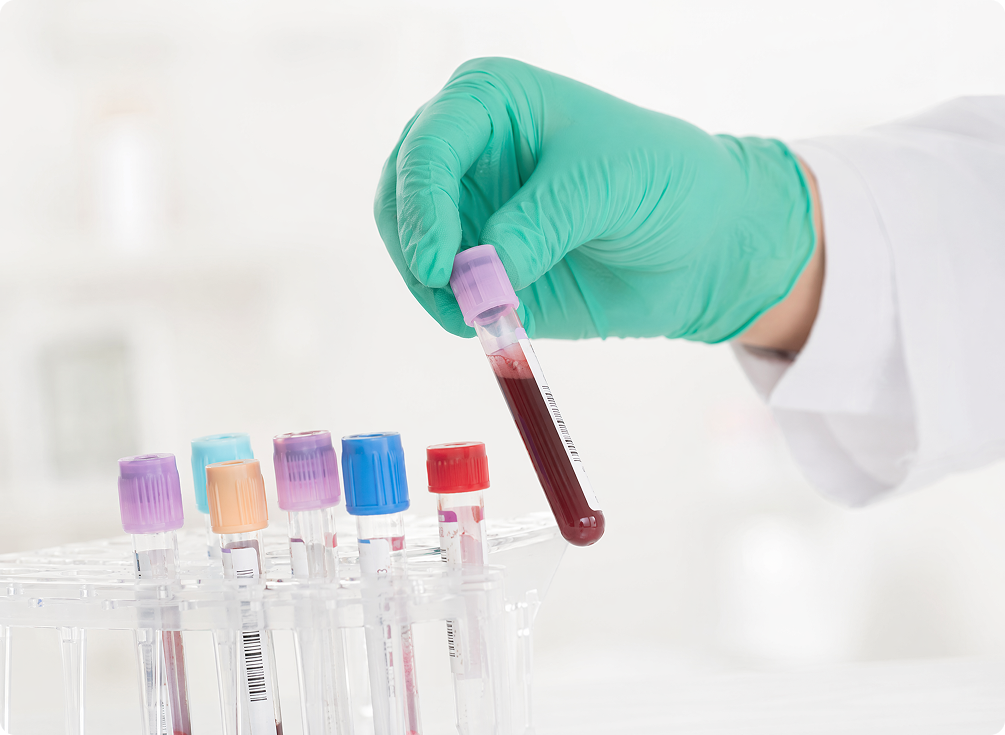
The clinic is equipped with a modern expert-level analyser that makes it possible to obtain results for key indicators from a drop of blood:
- CRP (C-reactive protein), which helps distinguish a viral infection from a bacterial one;
- inflammatory markers;
- rapid biochemical markers.
The results are available in a very short time, which allows the doctor to determine the treatment strategy immediately.
2. Rapid Tests for Streptococcus and Viruses
In cases of sore throat, a rapid test for Streptococcus A is performed in order to determine whether antibacterial therapy is necessary.
Rapid viral tests are also available, for example for influenza, which helps clarify the cause of the symptoms and avoid unnecessary prescriptions.
3. PCR Diagnostics When Necessary
PCR is used when there is a need to confirm specific bacterial or viral infections. This method is highly accurate and reduces the likelihood of diagnostic errors.
4. Clear Explanation of the Treatment Plan
After diagnostics, the doctor explains in detail:
- why an antibiotic is necessary or why it is not indicated;
- what risks are involved;
- which alternative measures may help relieve the condition.
The patient is able to make an informed decision without pressure.
5. Support for Parents
It is especially difficult to refuse antibiotics when a child is ill. That is why the doctor explains:
- how to assess the risk of complications;
- which symptoms require a repeat examination;
- how to relieve the condition without harming the immune system.
The decision is always made individually, taking into account the child’s condition and the examination results.
What You Receive: Safety, Accuracy, and an Individual Approach
1. Not a ‘just in case’ medicine, but a diagnosis confirmed by tests
Every prescription is based on laboratory data and the full clinical picture.
2. A consultation with a doctor who explains everything in a language you understand
Our specialists speak Russian, Ukrainian, and English, so that you fully understand your diagnosis and treatment plan.
3. The opportunity to complete all tests on site
The treatment room, rapid tests, and modern equipment shorten the path from the first symptoms to an accurate diagnosis.
4. Protection from unnecessary antibiotics
This reduces the risk of resistance, side effects, and repeated courses of treatment.
At Dobro Clinic, we treat not the symptoms, but their cause. And sometimes the right decision is not an antibiotic, but observation, support, and accurate diagnostics.
Would you like to understand whether you or your child really need antibiotics? You can book an appointment at Dobro Clinic and receive a doctor’s consultation together with rapid diagnostics.