Chickenpox in Children and Teenagers. Prevention and Treatment
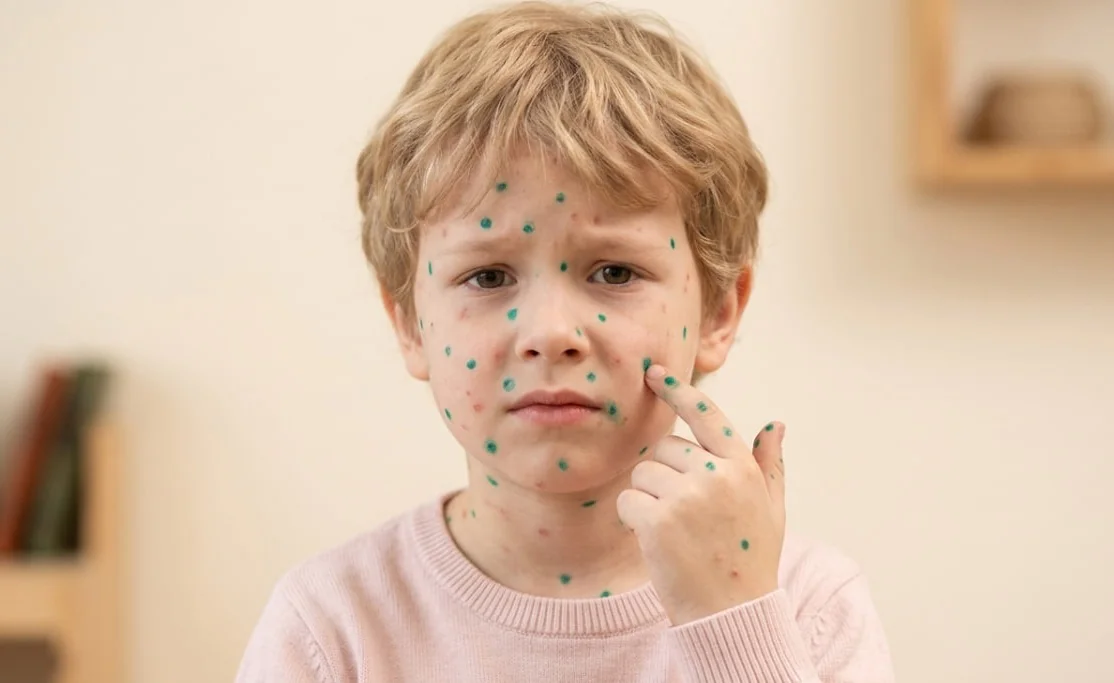
Chickenpox (also known as varicella) is one of the most common viral illnesses among children. Although it is a disease that has been studied extensively, appearing as harmless or common at first glance, it is still important that parents know how to treat it correctly.
What chickenpox is and how it spreads
Chickenpox is a viral illness caused by the Varicella-Zoster virus. It is transmitted by airborne droplets, enters the body through the mucous membranes of the respiratory tract, and begins to multiply actively. The immune system reacts to this “intruder” by triggering fever, general weakness, and a skin rash.
The most noticeable symptom is a blister-like rash. It appears because the virus enters the bloodstream and triggers infectious and inflammatory processes, which lead to the formation of the characteristic itchy blisters on the skin. The illness spreads through talking, sneezing, and coughing, as well as through contact with the fluid from the rash (including via objects and hand contact).
Incubation period
The term “incubation period of chickenpox” refers to the time between infection and the appearance of the first symptoms. It lasts from 10 to 21 days, most often around two weeks. During this time, the virus is actively multiplying, but there are still no visible signs of illness.
How the illness presents in children and teenagers
Symptoms may vary, but in most cases the illness begins with general malaise, followed by the appearance of the rash. Typical signs of chickenpox in children include:
- raised body temperature;
- weakness and tiredness;
- itching and blister-like skin eruptions;
- complaints of headache;
- irritability, mood changes, and sleep disturbances.
Stages of the illness: how chickenpox develops in children
Understanding the stages of the illness helps parents care for the child properly and monitor their condition. Chickenpox generally develops in 5 stages:
- incubation period (the time before symptoms appear);
- prodromal stage (the first signs of feeling unwell begin, and the temperature rises);
- rash stage (first red spots appear, followed by fluid-filled blisters);
- crust formation (the blisters begin to dry out and crusts form over them);
- healing stage (the crusts fall off and the skin recovers).
How long chickenpox lasts in a child varies from case to case. As a rule, it lasts up to 10 days — from the appearance of the first rash until healing.
When can a child infect others?
Can a child catch chickenpox from another child outdoors? Parents should understand that the answer is yes. The virus is spread by airborne droplets and is especially contagious at the beginning of the illness. A child is contagious:
- one to two days before the rash appears;
- until all the dried crusts have fallen off (usually up to 7–10 days).
It is important for parents to act responsibly and make sure that the infected child is kept away from healthy children during this period.
When it is safe to go outside after chickenpox
Knowing how important fresh air and walks can be, every parent of a child with chickenpox wonders when it is safe to go outside again. The answer should be considered individually, based on the child’s overall condition rather than the calendar alone. Going outside is acceptable if:
- all blisters have dried out and formed crusts;
- the temperature has returned to normal;
- at least 7 days have passed since the rash first appeared.
How chickenpox is treated in children and teenagers
Treatment of chickenpox is aimed at relieving symptoms and preventing complications. It usually includes:
- treating the rash with antiseptic products (such as calamine, fucorcin, or Tsindol);
- the use of antihistamines;
- plenty of fluids and rest;
- the use of fever-reducing medication (for example, paracetamol).
Important! Antibiotics are not used because the illness is caused by a virus.
Prevention at home and at school
Prevention of chickenpox is especially important if there are young children, family members who have never had the illness before, or pregnant women in close contact with the child. Effective preventive measures include:
- vaccination against Varicella-Zoster;
- isolating the infected child;
- hygiene measures and disinfection of toys, door handles, surfaces, and dishes;
- regular ventilation of rooms.
Preventing chickenpox involves several simple measures that help reduce the risk of the virus spreading.
When to see a doctor
At the first signs of illness (weakness, fever, or the appearance of a few spots on the skin), parents should contact a pediatrician. This is especially important if the child is under one year of age or if this is the first case of chickenpox in the family. A doctor’s consultation is necessary to confirm the diagnosis and receive proper treatment recommendations.
You should seek medical advice without delay if:
- the temperature remains above 39°C for more than 24 hours;
- the rash becomes infected or inflamed;
- lesions appear on the mucous membranes;
- the child becomes drowsy or develops seizures or vomiting.
Which doctors treat chickenpox in Prague
This condition falls within the expertise of pediatricians, infectious disease specialists, and family doctors. If you live in Prague, the experienced pediatric doctors at Dobro Clinic can help with diagnosis, treatment, and vaccination.
Myths about chickenpox
There are many myths about chickenpox that prevent parents from making the right decisions. Let us look at the most common ones.
- Myth: “Chickenpox is a mild illness and does not need treatment.”
Truth: No, it should not be ignored, as this may lead to complications. - Myth: “Brilliant green is the best remedy.”
Truth: There are effective, modern, and gentler alternatives available. - Myth: “Immunity after the illness lasts for life.”
Truth: In some cases, reinfection or later reactivation may occur (shingles).