Children’s Digital Health: Protecting Children from Excessive Screen Time
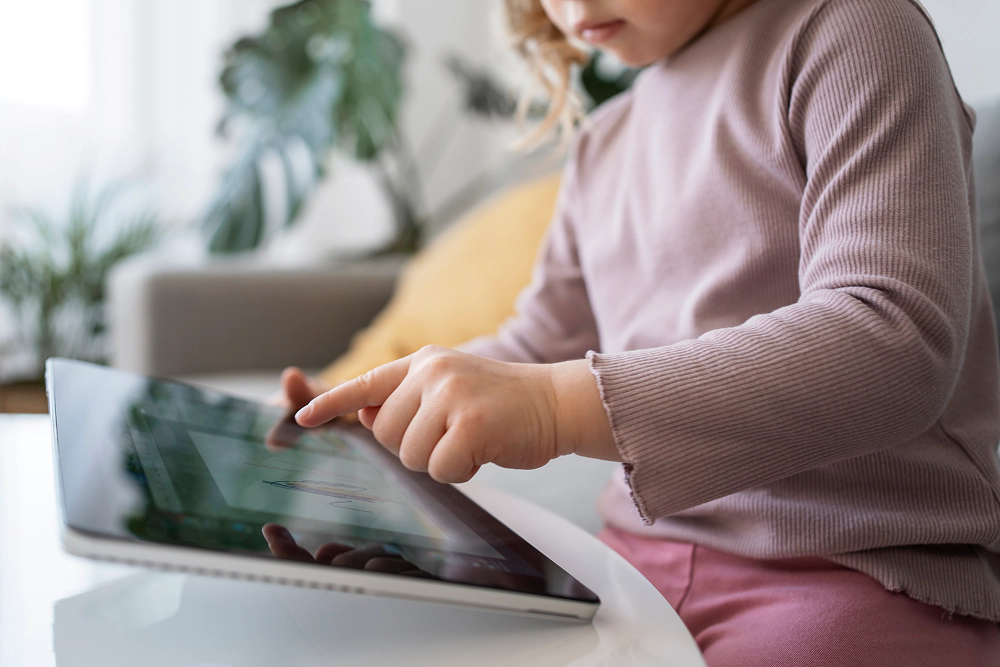
Modern children grow up in a digital environment: tablets, cartoons, and educational apps are already part of their development. It does not make sense to exclude screens entirely. What matters here is not banning gadgets, but understanding what amount of screen time is safe at a particular age, which content can be beneficial, and which content overloads the nervous system. It is precisely this balance that affects sleep, concentration, emotional stability, and overall developmental skills.
How Screen Time Affects a Child’s Health
Time Is Not the Only Factor
Modern research shows that the effect of gadgets is determined not only by the number of minutes spent in front of a screen, but by a combination of three factors:
- the length of uninterrupted screen time;
- the type of content: passive viewing, short cartoons, aggressive storylines, or large amounts of short TikTok-style videos;
- the absence of adult involvement: when the child watches alone, without discussion of what they are watching and without interaction.
It is the combination of these factors that determines the strain placed on the nervous system.
The Effects of Excessive Screen Time
- Sleep disturbance
Blue light suppresses melatonin production, while bright and fast-moving content before sleep overstimulates the nervous system. - Reduced concentration
Rapidly changing scenes and overstimulation make it harder for a child to maintain attention in an ordinary environment without constant changes in stimuli. - Emotional overload
The child may become irritable, tire more quickly, and find it harder to calm down. - Reduced interest in independent play
The gadget gradually replaces exploratory activity and imaginative or role-based play. - Risk of speech delay in children aged 1 to 3
This is especially relevant if a young child watches content passively, without adult involvement and without live speech around them. This effect has been confirmed by modern research in child psychology.
How to Recognise When a Child Is Overloaded by Screens
Signs of screen overload in a child may include:
- the child has become easily irritated;
- the child only wants the phone and is no longer interested in toys;
- the child struggles to fall asleep and remains overexcited for a long time;
- the child does not seem to respond when called;
- the child cries from time to time without an obvious reason.
These signs are not “bad behaviour” and they are not the parents’ fault. They are usually a signal of an imbalance in the daily routine and in the amount of stimulation the child receives.
How We Work at Dobro Clinic: A Scientific Approach and Balance Instead of Bans
At Dobro Clinic, we do not base our work on bans. Our goal is to create an individual digital balance plan that takes into account the child’s age and developmental characteristics.
1. Assessment of the child’s development
The pediatrician carries out a comprehensive assessment of:
- speech development;
- psychomotor skills;
- emotional regulation;
- social skills, including eye contact and response to being addressed.
This helps us understand exactly how screen time is affecting the child.
2. Analysis of the daily routine
We assess:
- the duration and quality of sleep;
- physical activity;
- time spent outdoors;
- the amount and type of screen time;
- the context: when and in which situations the child asks for a gadget.
3. Rapid health assessment
We use equipment that helps rule out physiological causes of fatigue:
- finger-prick blood tests for vitamins and inflammatory markers;
- rapid health assessment and other diagnostic tools.
4. Individual digital health plan
This is one of Dobro Clinic’s key services.
The plan includes:
- age-appropriate screen time recommendations;
- guidance on beneficial content;
- when screens may be appropriate and when they are best avoided;
- how to introduce breaks between viewing sessions;
- alternative activities that stimulate development;
- ways to engage the child so that the gadget no longer acts as a “babysitter”.
5. Support for the whole family
- without judgement or pressure;
- step-by-step implementation of recommendations;
- a flexible consultation schedule;
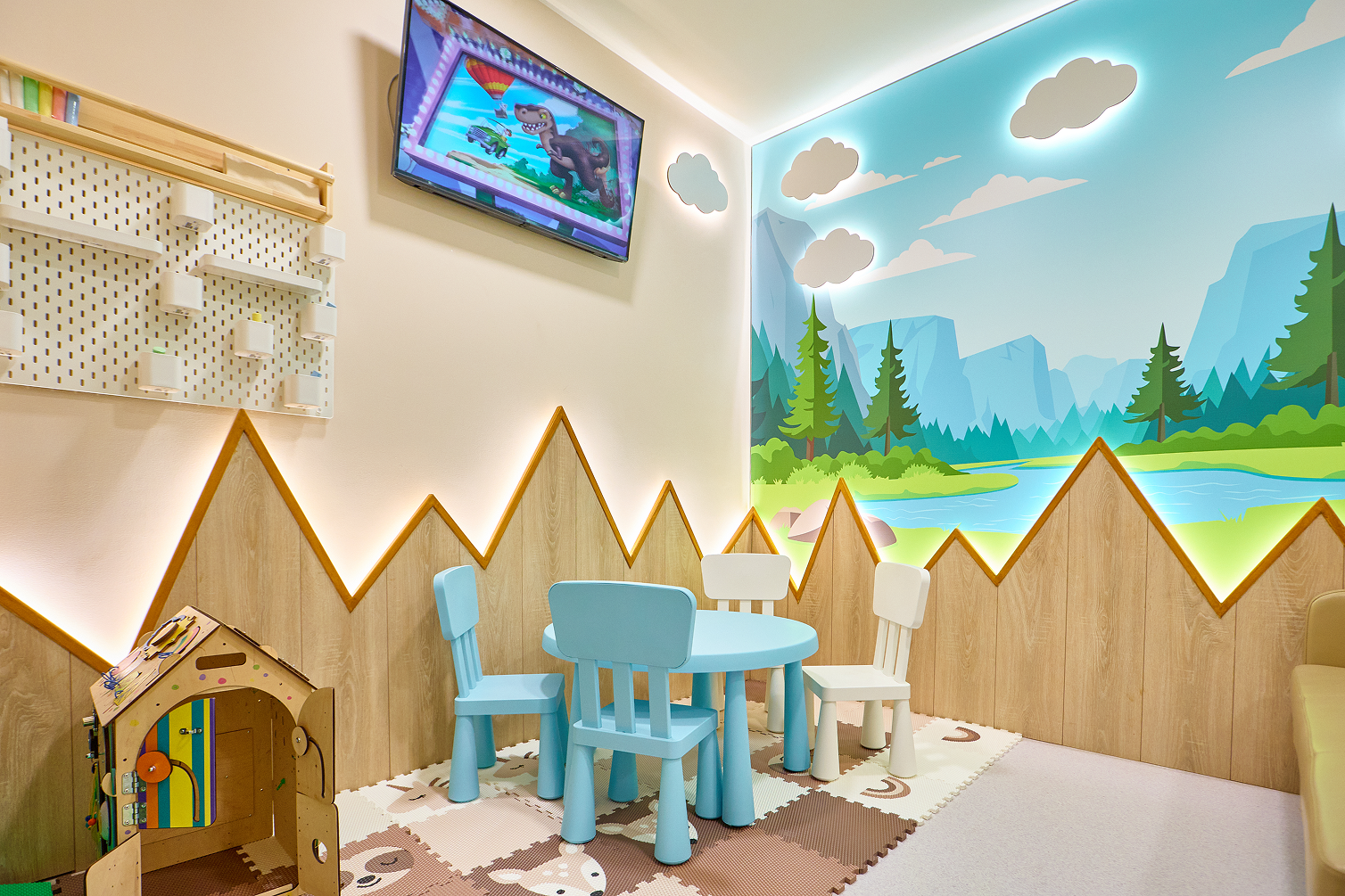
- a welcoming children’s room where the child feels calm and comfortable.
Why Is Dobro Clinic’s Approach to Children’s Digital Health Different?
- The pediatrician speaks multiple languages, including Russian and Ukrainian, which means communication is clear both for the parents and for the child.
- We use individual recommendations rather than universal “don’ts”.
- Modern equipment helps us assess the impact of screens on the child in a comprehensive way.
- We work with parents as partners, not as controllers.
- We support the child from the stage of assessment through to the introduction of a new daily routine.
What matters here is understanding that the digital environment is now a normal part of childhood. In most cases, children do not need a total ban on gadgets on certain days, but rather balance, adult involvement, and safe habits. At Dobro Clinic, we help create that balance so that screens become a tool rather than a cause of emotional or cognitive overload.
Book an appointment with a Dobro Clinic pediatrician, and we will create a personalised digital health plan for your child, taking into account their age, developmental characteristics, and daily routine.