Intrauterine Device: Pros and Cons, Types, and Key Features
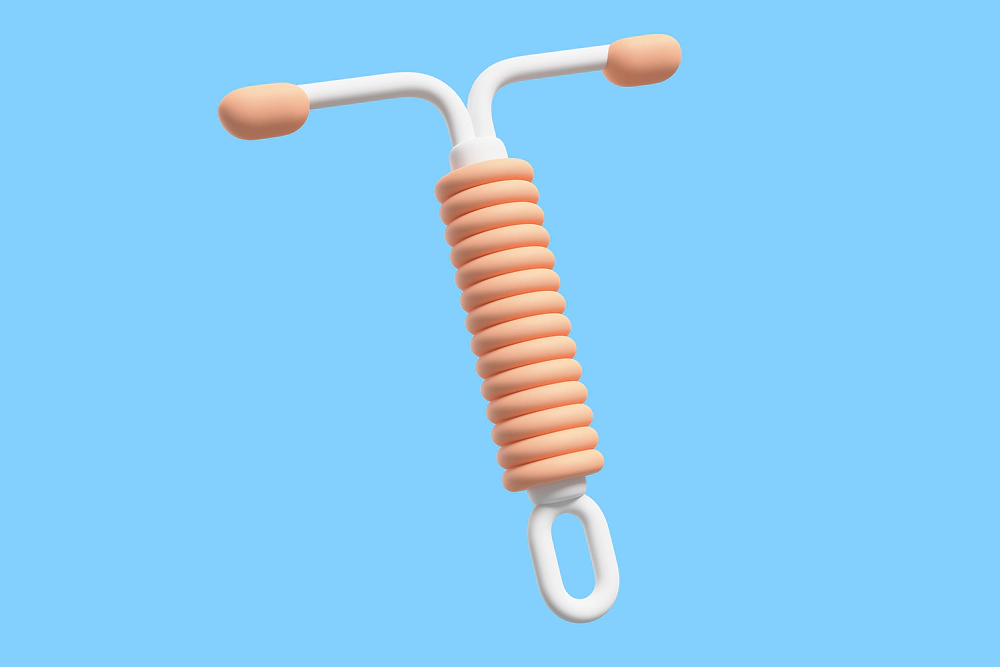
When it comes to contraception, every woman looks for her own balance between freedom, safety, and comfort. Pills require discipline, condoms require a decision in the moment, while an intrauterine device offers the possibility to simply live without unnecessary worries.
What an Intrauterine Device Is
It is a tiny T-shaped device that a gynecologist gently inserts directly into the uterine cavity. Modern IUDs are hypoallergenic, designed to fit the body comfortably, and can be inserted in just a few minutes.
It is important to understand how an intrauterine device works. It prevents the egg and sperm from meeting and provides reliable protection against unwanted pregnancy.
Types of IUDs: Choosing the Right One
Choosing an intrauterine device is not always straightforward: there are many models, and each one promises its own advantages. Some women are looking for a non-hormonal option, while others prefer a device that can help make the cycle more predictable. Opinions vary widely. To understand which option may be better, it is worth looking at the main types of IUDs and their features. At present, there are two main types of devices.
Copper IUDs (Non-Hormonal)
These work through copper ions, which reduce sperm motility. Their advantages include:
- a long duration of use, up to 10 years;
- no hormonal effect on the body;
- suitability for women who cannot use hormonal contraception;
- lower cost.
However, copper devices generally provide a slightly lower level of protection against unwanted pregnancy compared with hormonal IUDs.
Hormonal IUDs
These release microdoses of the hormone levonorgestrel. It makes the cervical mucus difficult for sperm to pass through and often reduces menstrual bleeding. Their advantages include:
- a more stable cycle;
- less pain;
- prevention support in cases of endometriosis and endometrial hyperplasia;
- one of the highest levels of protection against unwanted pregnancy among all currently available contraceptive methods.
For an individual choice, a consultation with a gynecologist is needed. A specialist will help select the most suitable option based on your body, your health, and your goals.
Advantages of Having an IUD Inserted
The main advantage of an IUD is that you can simply stop thinking about contraception on a daily basis — it works without constant effort. It is inserted once, and then you can live calmly knowing that everything is under control. But the benefits do not end there.
- Effectiveness — up to 99.8%. This is one of the most reliable methods of protection against unwanted pregnancy.
- Freedom from routine. There are no daily pills and no urgent last-minute decisions. This provides a sense of ease and confidence.
- Long-term effect. Depending on the model, an IUD works for 3 to 10 years. One visit to the gynecologist can provide reliable protection for many years ahead.
- Reversibility. After removal of the IUD, fertility usually returns quite quickly. In many cases, pregnancy can be planned within a few weeks if that becomes your wish.
- Individual selection. There are hormonal and non-hormonal models, and the doctor chooses the option based on the cycle, health status, and personal preferences of the woman.
- Compatibility with breastfeeding. Most IUDs can be inserted just a few months after childbirth. They do not affect either the quantity or the quality of breast milk.
Side Effects
An intrauterine device also has disadvantages that should be known in advance — not to create fear, but to support an informed choice:
- Mild discomfort during insertion. The procedure takes only a few minutes, but during that time there may be pulling sensations similar to menstrual cramps. In some women these pass immediately, while in others they remain for a few hours.
- Adaptation of the body. During the first 1 to 3 months after insertion, changes in the cycle may occur: periods may become heavier or, on the contrary, lighter, and there may be mild pain or irregularity. This is a normal response while the body adjusts to the new situation.
- Rare inflammatory processes. Inflammation may develop if the rules of intimate hygiene are not followed or if insertion is performed outside sterile conditions. This is exactly why it is so important to entrust the procedure only to experienced doctors and modern clinics.
- No protection against infections. An IUD reliably prevents pregnancy, but it does not protect against sexually transmitted infections. That is why, in the case of casual or non-regular sexual relationships, additional protection remains important.
To avoid possible complications, it is best to choose a clinic where IUD insertion is treated as a precise medical procedure requiring care and expertise.
The Insertion and Removal Procedure
Many women feel anxious before the insertion procedure — and quite unnecessarily. In practice, the procedure is quick, careful, and fully controlled by the doctor.
IUD Insertion
Insertion takes only 10 to 15 minutes and does not require hospitalisation. Before the procedure begins, the gynecologist carries out a consultation, an examination, and an ultrasound scan in order to make sure there are no contraindications and to choose the most suitable time in the cycle. The doctor then selects the appropriate type of device and explains each step.
The device is inserted under sterile conditions and with the greatest possible care. After the procedure, you can return to normal life immediately, without the need to stay in hospital or take sick leave.
IUD Removal
This is even simpler and quicker. The doctor carefully removes the device using special instruments, and the procedure takes just a few minutes. In most cases, the cycle returns to normal within a few days, and fertility is naturally restored.
Comparison of the Effectiveness of Contraceptives Available in the Czech Republic
| Contraceptive Method | Efficiency (typical usage) | Риск беременности за 1 год | Comment |
| Hormonal IUD (Mirena, Kyleena, Jaydess) | ≈99,8–99,9 % | < 0,2 % | Highly effective, long-acting (3–6 years), and almost independent of user behaviour. |
| Copper IUD (Paragard, Goldlily, etc.) | ≈99,2–99,4 % | 0,6–0,8 % | Hormone-free, effective for 5–10 years, but may make menstruation heavier. |
| Combined Oral Contraceptives (Pills) | ≈91–93 % | 7–9 % | Effectiveness depends on consistent daily use. With perfect use, it can reach up to 99.7%. |
| Hormonal Injections (Depo-Provera) | ≈94 % | 6 % | An injection every 3 months; changes in the menstrual cycle are possible. |
| Condoms (Male) | ≈85–87 % | 13–15 % | They also protect against sexually transmitted infections, but are less reliable with typical use. |
| Female Condoms | ≈79–82 % | 18–21 % | Used less often and require some skill to use correctly. |
Why It Is Better to Have an IUD Inserted at Dobro Clinic
Choosing a clinic in Prague is no less important than choosing the device itself. At our clinic, patients benefit from a number of important advantages:
- experienced gynecologists trusted by women of different ages;
- safe IUDs from well-known manufacturers;
- individual selection without standardised solutions or haste;
- an atmosphere of respect, confidentiality, and care.