Preventive Gynecological Check-Ups: Why Is It Important to See a Doctor Every Year?
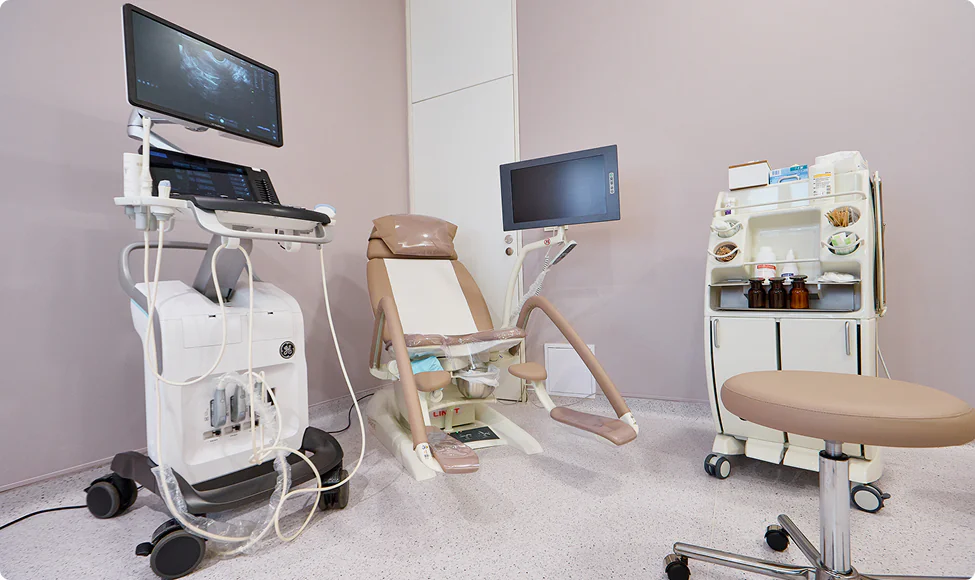
Many women postpone a visit to the gynecologist because of lack of time or because nothing seems to be bothering them. However, the female body often sends signals quietly, almost imperceptibly. A preventive gynecological examination makes it possible to notice these signals in time. Yearly gynecological check-ups are but a small price to pay for the reassurance that your health is in order.
Why Go at All If Everything Seems Fine?
This is where the main myth lies: that a doctor is only needed when something is already causing discomfort. In reality, it is the opposite. Diseases of the female reproductive system can remain asymptomatic for a long time. Why have an examination if there is no pain? In order to make sure there are no hidden processes that are only beginning to develop.
Inflammations, cervical erosion, hormonal disorders, polyps, or infections often do not produce any obvious symptoms in the early stages. Later on, however, they may lead to infertility or major surgery. This is exactly where the principle applies: prevention is easier than treatment.
Preventive Gynecological Examination: What It Includes
If you have not seen a doctor for a long time and no longer remember what a preventive gynecological examination includes, let us explain it clearly.
- Everything begins with a conversation: the doctor asks about any complaints, characteristics of your menstrual cycle, whether there are any issues with sensations of pain, swelling or unusual discharge.
- This is followed by a standard examination in the gynecological chair. Yes, it may not be the most pleasant moment, but it is quick. The external genital area, the cervix, and the vagina are examined, and the condition of the mucous membranes is assessed.
- Swabs are taken: one for vaginal flora and one for cytology, the well-known Pap test or cervical cytology smear. This helps identify precancerous cellular changes long before the disease presents clinically.
- An ultrasound examination of the pelvic organs may also be recommended. This is necessary if there is suspicion of cysts, fibroids, or endometriosis. Depending on the woman’s age and medical history, HPV testing may also be advised, since the human papillomavirus is associated with the risk of developing cervical cancer.
Which Examinations Are Important Every Year
Many women ask which tests should be done at the gynecologist every year. Ideally, these include:
- a vaginal flora smear;
- cytological examination, that is, a Pap test;
- HPV testing, especially after the age of 30;
- a general blood test and urinalysis, when indicated;
- a hormonal profile, if there are menstrual irregularities or specific complaints.
If a woman is sexually active, it is sensible to undergo annual testing for sexually transmitted infections, even if she is confident in her partner.
At What Age Examinations Are Necessary
Age does not diminish the importance of examinations. Annual check-ups are important at 20, at 40, and during menopause. The only thing that changes is the medical focus.
- At a younger age, the doctor focuses on infections, hormonal balance, ovulation, and the condition of the cervix.
- After the age of 35 to 40, monitoring of the endometrium, ovaries, and breasts becomes more important. Many gynecologists also recommend breast ultrasound or mammography at the same time, since these aspects of women’s health are closely interconnected.
- Closer to menopause, prevention becomes especially important: hormonal changes may appear in the form of fibroids, cysts, and abnormal bleeding.
Here, an annual gynecological examination helps detect these changes in time.
What Happens If You Do Not Visit a Gynecologist for Several Years
Women often ask why they should have an examination every year. The answer is simple: so that disease does not catch them by surprise. Even if there are no symptoms, cervical erosion, endometriosis, polyps, cycle disturbances, inflammations, or infections may develop over time. Sometimes such conditions become apparent only when serious treatment is already necessary.
Preventive examinations are not a tedious demand imposed by doctors. They are a way of staying connected to your own body. They allow you to understand that everything is genuinely well, rather than simply seeming to be so. And there are simple answers to the question of why annual gynecological check-ups matter:
- to live with peace of mind;
- not to fear unpleasant surprises;
- to understand your own body better.
How to Prepare for an Annual Visit
To feel confident during the appointment, it is useful to know a few simple preparation rules:
- Schedule the visit for the middle of the cycle, approximately 3 to 5 days after the end of menstruation.
- Do not use vaginal suppositories or gels for 2 to 3 days before the appointment.
- Avoid sexual intercourse during the 24 hours before the visit.
The Psychological Aspect of the Visit
Feeling anxious before seeing a gynecologist is entirely normal. To make the visit calmer, prepare in advance, think of your questions, and remember that the doctor is there to help. A few deep breaths and the understanding that self-care matters can reduce stress. A good doctor is not a harsh judge, but a person who helps. They do not condemn, intimidate, or criticise. Their purpose is your health.
Advantages of Dobro Clinic Medical Centre
If you are looking for a gynecologist in the Czech Republic, welcome to Dobro Clinic. We understand that visiting a doctor may cause anxiety, especially when delicate matters are involved. That is why everything in our clinic is arranged so that your visit is as comfortable as possible:
- consultations are provided by a specialist with many years of experience who knows how to work in a delicate and respectful manner;
- high-end equipment is used so that examinations are accurate and efficient;
- online booking is available;
- complete confidentiality is ensured.
Conclusion
Annual gynecological check-ups are a habit that may one day save you from serious problems. Even if everything seems ideal, a check once a year is a minimal but important act of self-care.