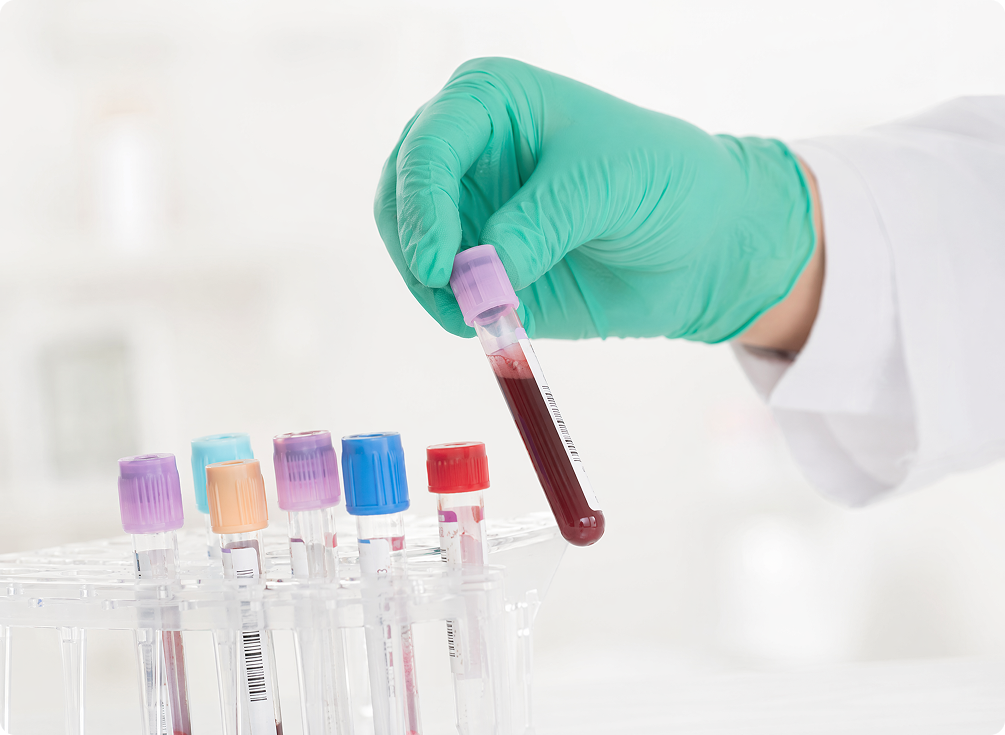
Vitamin and Micronutrient Testing: How to Identify Deficiencies

Modern lifestyle factors — including stress, eating on the go, and even lack of sunlight — often lead to hidden deficiencies of vitamins and micronutrients. These deficiencies may not present with obvious symptoms for a long time, yet they can gradually affect your well-being, immune system, and overall performance. This is why testing for vitamins and micronutrients has become an essential part of preventive diagnostics.
Let’s explore when and why these tests are recommended — and why accurate interpretation of the results is crucial.
Why test for vitamins and micronutrients
Vitamins and micronutrients are involved in nearly all processes in the body — from energy production to the functioning of the nervous system and immune response. Their deficiency is rarely noticeable at first, but over time it may lead to chronic fatigue, reduced concentration, and frequent illnesses.
Testing vitamin levels helps to:
- detect hidden deficiencies at an early stage;
- identify the underlying cause of non-specific symptoms;
- avoid uncontrolled and unnecessary use of supplements;
- develop an appropriate nutritional plan.
It is important to understand that even vitamins essential for the body can be undesirable in excess. Therefore, laboratory testing is a far more reliable guide than self-prescribing vitamins and supplements.
What symptoms may indicate a deficiency?
Deficiencies in vitamins and micronutrients often present with non-specific symptoms.
You should consider testing if you notice:
- persistent fatigue and low energy levels;
- frequent colds;
- deterioration in the condition of skin, hair, and nails;
- muscle weakness or cramps;
- mood swings and irritability;
- difficulty concentrating.
These symptoms do not point to a specific deficiency directly, but they are a valid reason for a comprehensive health assessment.
The most common deficiencies
Vitamin D deficiency
It is most commonly associated with a lack of sunlight and insufficient intake of vitamin D-rich foods, although it may also be congenital.
Its deficiency affects:
- the immune system;
- bone and muscle health;
- overall well-being.
Iron and ferritin
Low levels may cause weakness, dizziness, and reduced endurance, particularly in women.
B vitamins
These are essential for the nervous system, metabolism, and cognitive function.
Their deficiency may affect concentration and mood.
How to determine which vitamins and micronutrients you should actually test
There is no universal set of tests that suits everyone.
The selection of parameters depends on symptoms, lifestyle, and individual factors.
What doctors typically consider:
- symptoms (fatigue, frequent infections, muscle weakness, sleep disturbances);
- dietary habits (restrictive diets, vegetarianism);
- levels of stress and physical activity;
- seasonality (e.g. risk of vitamin D deficiency);
- existing conditions and medication use.
Based on this, a targeted list of tests is formed rather than a broad, unfocused panel.
This approach:
- provides a more accurate picture;
- reduces the risk of unnecessary testing;
- allows for quicker correction of deficiencies.
This is why an initial consultation with a general practitioner is often more beneficial than selecting tests independently.
Why it is important not only to take tests, but also to interpret the results correctly
Numbers in a lab report are neither a diagnosis nor a direct course of action.
The same parameter may be interpreted differently depending on the clinical context.
For instance:
- a borderline vitamin D level may be sufficient for one person but inadequate for another;
- low ferritin does not always indicate anaemia, but may explain fatigue;
- values within the reference range may still not be optimal for a particular patient.
Therefore, a key step is reviewing the results with a doctor who:
- evaluates results comprehensively;
- explains which deficiencies are clinically significant;
- helps determine what can be corrected through diet and where additional support is needed;
- provides practical recommendations that are easy to integrate into daily life.
This approach allows laboratory diagnostics to be used as a preventive tool rather than a source of concern.
Preventive diagnostics: a smart approach to your health
Regular testing of vitamins and micronutrients is part of a conscious approach to health.
It is particularly relevant:
- in cases of chronic fatigue;
- during periods of increased physical or mental strain;
- when dietary habits change;
- during the autumn and winter months;
- during recovery after illness.
Preventive diagnostics helps not just treat consequences, but maintain balance proactively.
In this way, vitamin and micronutrient testing is not about trends in supplements, but about understanding your body’s needs. Laboratory diagnostics provide an objective assessment, enabling informed decisions together with your doctor.
Regular monitoring helps maintain energy levels, immunity, and overall quality of life without unnecessary treatments or prescriptions.