Why Regular Health Checks Matter: Key Tests You Should Take

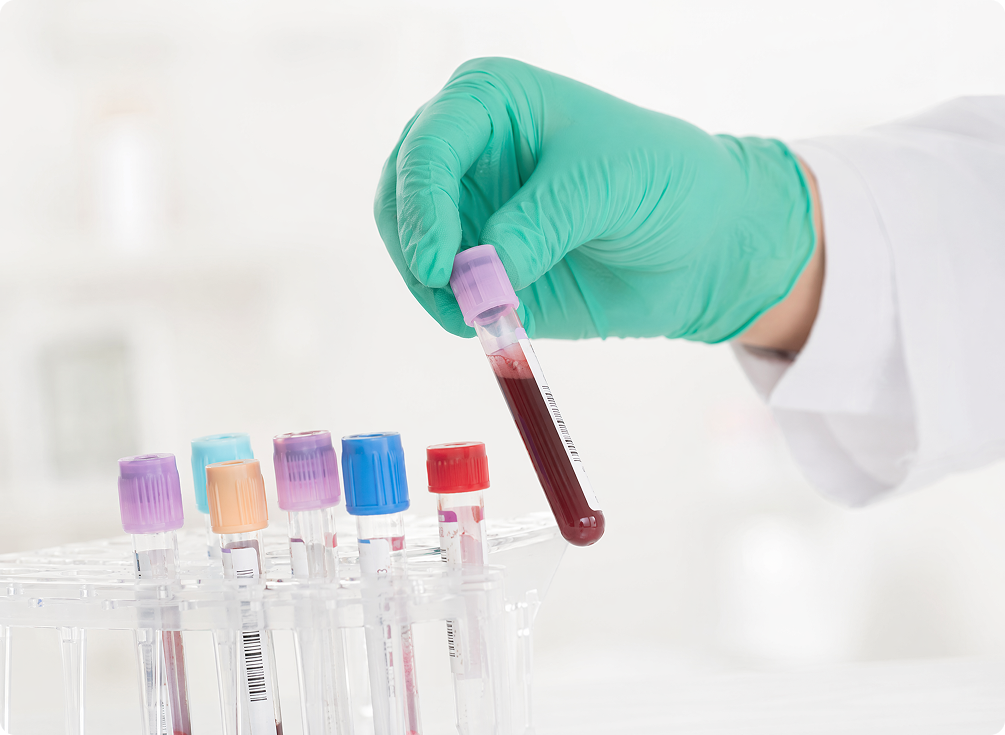
Regular testing is not about searching for diseases, but about maintaining control over your health. Many conditions develop gradually and may not present noticeable symptoms for a long time.
An annual check-up helps detect changes at an early stage — when monitoring or minor adjustments are sufficient, rather than complex treatment.
For adults, an annual preventive check-up is considered a standard medical practice and is recommended by doctors across various specialties.
Why it is important to have tests once a year
The body is capable of adapting to changes. Fatigue, low energy levels, fluctuations in weight or mood are often attributed to stress or age.
Preventive tests help determine whether there are objective changes behind these symptoms.
What annual tests provide
- identification of vitamin and micronutrient deficiencies;
- detection of signs of inflammation;
- assessment of liver, kidney, and thyroid function;
- early detection of metabolic disorders;
- the ability to track health indicators over time rather than relying on a single result.
It is important not only to undergo testing, but also to interpret the results correctly, taking into account your symptoms and medical history. This is done by a general practitioner or a relevant specialist.
What tests are included in an annual health check-up
The composition of the examination may vary, but there is a standard set of preventive tests for adults.
Basic blood tests
These form the foundation of a preventive check-up:
- Full blood count — reflects the condition of the immune system and possible signs of inflammation.
- Biochemical blood test — helps assess liver and kidney function as well as metabolism.
- Blood glucose — for early detection of carbohydrate metabolism disorders.
- Lipid profile — monitoring cholesterol levels and cardiovascular risks.
Tests for vitamin and micronutrient deficiencies
Even when you feel well, hidden deficiencies may still be present:
- ferritin and iron levels;
- vitamin D;
- vitamin B12 (if indicated) and others.
Deficiencies can affect energy levels, concentration, mood, and immune function.
Thyroid function testing
Minor thyroid dysfunctions may remain unnoticed for a long time. For preventive purposes, the following are usually assessed:
- TSH;
- FT4 (and FT3 if required).
Inflammatory markers
These indicators help detect hidden inflammatory processes, even in the absence of noticeable symptoms.
These include:
- C-reactive protein (CRP);
- ESR (erythrocyte sedimentation rate);
- white blood cell count;
- procalcitonin (if bacterial infection is suspected), and other tests as prescribed by a doctor.
Who should prioritise an annual health check-up
Preventive testing is especially recommended for:
- individuals over the age of 30–35;
- those experiencing chronic fatigue, stress, or sleep disturbances;
- unexplained weight changes;
- a family history of diabetes, cardiovascular or endocrine conditions;
- existing chronic conditions — for ongoing monitoring.
Why it is important to have tests done in one medical centre
Annual testing provides maximum benefit when:
- results can be compared with previous records;
- the doctor has a complete overview of your health;
- the examination is combined with a specialist consultation.
At Dobro Clinic, tests can be performed directly on-site without a separate laboratory appointment. This allows you to:
- complete your examination in a single visit;
- receive results promptly;
- discuss your results with a doctor in clear and understandable terms;
- immediately determine the next steps if needed — monitoring or further diagnostics.
Annual testing is a way to stay in control of your health
Preventive care does not mean the presence of disease. It is a tool for confirming a stable condition or detecting early changes.
Regular annual check-ups help to:
- reduce health-related anxiety;
- prevent unexpected complications;
- make decisions based on objective data.
Having tests once a year is a simple habit of self-care. It does not replace a doctor, but forms the basis for informed medical decisions. If you are planning a preventive check-up and would like a professional interpretation of your results, you can обратиться to Dobro Clinic. This approach helps you maintain control over your health and identify changes in a timely manner.